Will and Trust documents are very important for families staying in USA

In the event of death or incapacity, estate planning is fundamentally a process for:

  • Transferring your assets and your core values, to the people/organizations of your choice in a manner you decide
  • Guardianship for minor kids
  • Making your healthcare decisions
  • Building a plan that leaves your family in harmony
  • Creating a legacy that may span generations

Below documents could be prepared when you take the Will and Trust Package.

  • Last Will and Testament
  • Living Trust
  • General Durable Power of Attorney
  • Healthcare Surrogate Designation
  • HIPAA Authorization

Last Will and Testament

What is a Will?

Will is a Legal document which takes effect at the death, state requirement vary, each state will have different requirements.

Benefits

  • Transfer/Distribute assets
  • Name guardians for the kids
  • Name Executor(s) or Personal Representative

What is a Trust?

A living trust allows you to transfer your assets to loved ones quickly and easily. It’s “living” because it’s in effect while you’re alive, as opposed to a will, which only kicks into gear after you’re gone. You can put in things like bank or savings accounts, real estate, art, jewelry and even intellectual property in a living trust. However, even though those assets are named inside your trust, they're not accessible to others until after your death.

A revocable trust just means you can change the terms of the trust. Irrevocable? Yep, you guessed it. You can’t change the terms.

Revocable trusts magically transform into irrevocable trusts after your death.
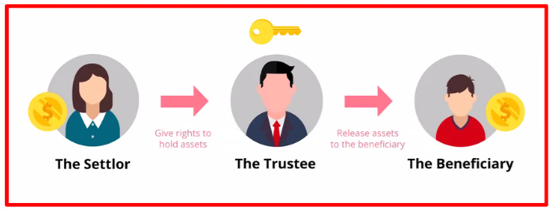
Transfer of Assets With a Living Trust

Transfer of Assets With a Living Trust
  • Avoid probate, save time publicity
  • Have control over assets while living
  • Determine when minor kids get assets
  • Manage assets when incapacitated

Funding a Trust

Trust has No value without transffering properties or assets to the Trust!!

  • Transffering property titles to Trust
  • Assigning business interests to trust
  • Transffering bank accounts
  • Stock certificate transfer, bonds transfer
Funding a Trust

Managing Healthcare Decisions

Power of Attorney for Health Care Decisions/HIPAA Authorization

Type of advance directive in which you name a surrogate to make healthcare decisions for you when you are unable to do so.

Advance Directive or Living Will

Written, legal document that guides the choices for doctors and caregivers (terminally ill, dementia, coma, near end of life)

  • Medical treatments
  • Pain management
  • Organ donation
  • Dialysis, antibiotics treatment, ventilation, CPR preferences
  • Do-not-resuscitate (DNR) order

Estate Planning for Families

Estate planning is the process of preparing for potential future events, such as death or incapacitation, by outlining how your assets and affairs will be managed and distributed. It involves creating legal documents like wills and trusts, and often includes planning for taxes, healthcare, and guardianship of minor children.

Here's a more detailed breakdown:

Key Aspects of Estate Planning:

Asset Management and Distribution: Estate planning ensures that your assets are managed and distributed according to your wishes after you pass away or become incapacitated.

Legal Documents:

  • Will: A legal document that outlines how you want your property and assets to be distributed after your death.
  • Trusts: Legal arrangements that hold assets for the benefit of designated beneficiaries.
  • Power of Attorney: A document that allows someone to make financial and/or healthcare decisions on your behalf if you are unable to do so yourself.
  • Healthcare Directive/Living Will: A document that outlines your wishes regarding medical treatment and end-of-life care.
  • Tax Planning: Estate planning can help minimize estate taxes and other tax liabilities.
  • Beneficiary Designations: You can designate who will inherit your assets, and in what way.
  • Guardianship: If you have minor children, you can name guardians to care for them in the event of your death or incapacitation.
  • Planning for Incapacity: Estate planning can address what happens if you become unable to manage your affairs due to illness or injury.
  • Minimizing Probate: Probate is the legal process of settling an estate after death. Certain estate planning tools, like trusts, can help avoid probate.
  • Professional Advice: Estate planning often involves working with professionals like attorneys, financial advisors, and accountants.